

The Importance of Grouting in Pool Maintenance and Cleaning
ool ownership comes with numerous responsibilities, and maintaining the cleanliness and safety of the swimming environment is paramount. One crucial aspect often overlooked is grouting, which plays a vital role in preserving the integrity and aesthetic appeal of pool surfaces. Grouting work is essential for ensuring the longevity and healthiness of your pool, and this article delves into its significance, benefits, and best practices.
What is Grouting?
Grouting refers to the process of filling gaps between tiles, stones, or other masonry materials with a mixture of water, cement, and sand. In pool construction, grout serves as a barrier against water penetration, preventing damage to surrounding structures and ensuring the pool’s stability. Over time, however, grout can deteriorate due to exposure to water, chemicals, and environmental factors.
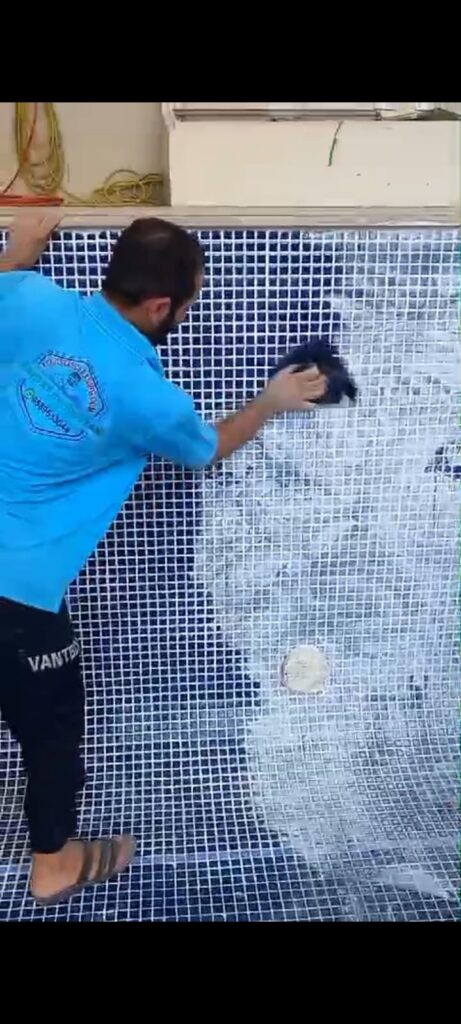
Why is Grouting Important for Pool Cleaning and Maintenance?
Regular grouting work offers numerous benefits:
- Prevents Water Leakage: Damaged or deteriorated grout allows water to seep behind tiles, potentially causing structural damage and safety hazards.
- Reduces Slip Hazards: Cracked or uneven grout can create slippery surfaces, posing risks to swimmers.
- Enhances Appearance: Clean, well-maintained grout lines contribute to the pool’s overall visual appeal.
- Inhibits Algae and Bacterial Growth: Grout provides an environment for algae and bacteria to thrive; regular cleaning and maintenance prevent this.
- Extends Pool Lifespan: Proper grouting helps protect surrounding materials from water damage.
Types of Grouting for Pools:
Several types of grout are suitable for pool applications:
- Cement-Based Grout: Traditional and cost-effective, but prone to cracking.
- Epoxy-Based Grout: Durable, resistant to chemicals, and ideal for high-traffic pools.
- Acrylic Grout: Flexible, waterproof, and suitable for areas with high movement.
- Furan Grout: Resistant to chemicals and high temperatures
Grouting Techniques and Materials:
Effective grouting requires the right techniques and materials:
- Grout Removal: Remove old or damaged grout using specialized tools.
- Grout Cleaning: Clean the area thoroughly before applying new grout.
- Grout Application: Use a grout float to spread and smooth the mixture.
- Sealing: Apply a grout sealer to protect against stains and water damage.
Best Practices for Pool Grouting:
To ensure successful grouting work:
- Hire Professionals: Experienced technicians guarantee quality results.
- Regular Maintenance: Clean and inspect grout lines regularly.
- Choose Suitable Grout: Select grout compatible with pool materials.
- Follow Manufacturer Instructions: Adhere to product guidelines.
DIY Grouting Guide:
For those inclined to tackle grouting work themselves:
- Prepare Area: Clean and clear surrounding surfaces.
- Remove Old Grout: Use caution and proper tools.
- Mix Grout: Follow manufacturer instructions.
- Apply Grout: Work in sections, using a grout float.
Common Grouting Mistakes:
Avoid these common pitfalls:
- Incorrect Grout Mix: Improper ratios lead to weak or brittle grout.
- Insufficient Cleaning: Failing to clean grout lines properly.
- Inadequate Sealing: Neglecting to seal grout.
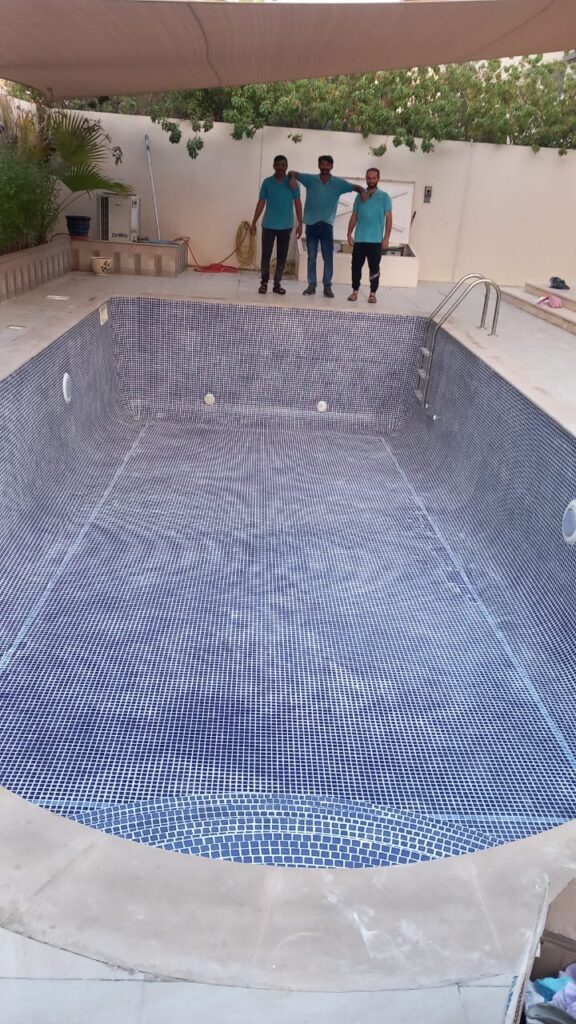
Conclusion:
Grouting work is a critical component of pool maintenance and cleaning. Regular attention to grout lines ensures a safe, visually appealing, and long-lasting swimming environment. By understanding the importance of grouting and adopting best practices, pool owners can enjoy their aquatic oasis with peace of mind.
Would you like me to provide information on:
- Grouting product reviews?
- Pool maintenance schedules?
- DIY grouting tutorials?