
Owning a swimming pool is a luxury that can turn your backyard into a personal oasis, but it also comes with the responsibility of keeping the water clean, safe, and inviting. Regular maintenance not only enhances the lifespan of your pool but also ensures it remains a healthy environment for swimming. A well-maintained pool provides hours of enjoyment, while neglecting it can lead to murky water, damaged equipment, and costly repairs. In this comprehensive guide, we’ll cover expert tips on how to keep your pool in pristine condition year-round.
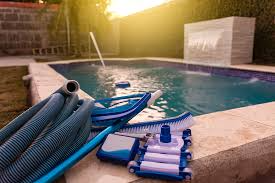
1. Skimming and Scrubbing: Your First Line of Defense
One of the easiest and most effective pool maintenance practices is skimming the surface of the water daily. Leaves, insects, and debris can quickly accumulate, especially if your pool is outdoors. A long-handled net is your go-to tool for this task. By regularly skimming, you’ll prevent debris from sinking to the bottom where it becomes harder to remove and can lead to staining.
While skimming keeps the surface clean, scrubbing the walls and floor of your pool helps prevent algae buildup. Algae can develop on pool walls, steps, and in corners, leading to slippery surfaces and an unsightly green tint to your water. Use a pool brush to scrub down the sides of the pool at least once a week. For areas where algae seem particularly stubborn, using a chlorine-based cleaner or a mixture of water and baking soda can help eliminate the problem.
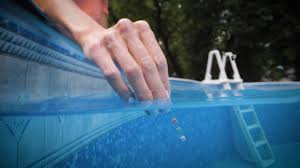
2. Balancing Pool Chemistry: The Heart of Pool Maintenance
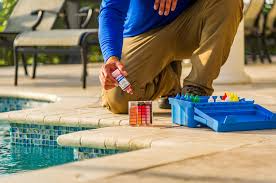
Proper chemical balance is the backbone of pool maintenance, ensuring that your water is safe to swim in. There are three key levels to monitor: pH, alkalinity, and chlorine.
- pH level: Ideally, your pool’s pH should be between 7.4 and 7.6. This is slightly above neutral, providing the optimal conditions for swimmers and allowing chlorine to work effectively. If the pH is too high, the water can become cloudy and cause scaling on pool surfaces. If it’s too low, the water can be corrosive to metal and irritate the skin and eyes.
- Alkalinity: Alkalinity helps stabilize your pH levels. The recommended range for alkalinity is 100-150 ppm (parts per million). If the alkalinity is too low, your pH levels will fluctuate wildly, making the water uncomfortable and damaging the pool. If it’s too high, the water can become murky, and adjusting pH becomes difficult.
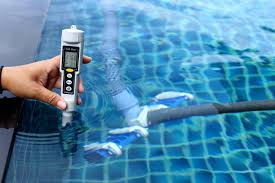
- Chlorine: Chlorine is a powerful disinfectant that kills bacteria, viruses, and algae in your pool water. It is essential to maintain a free chlorine level between 1 and 3 ppm. Too little chlorine allows bacteria to thrive, while too much can irritate swimmers’ skin and eyes. Regularly testing the water using a pool testing kit will help you maintain the right balance.
There are also alternative methods of sanitation like saltwater chlorination and UV pool cleaners, which offer a more natural approach to keeping your pool clean. These systems can reduce your reliance on traditional chemicals and still deliver excellent results.
3. The Importance of Filtration
Your pool’s filtration system plays a critical role in maintaining clean, clear water. The filter removes debris, dirt, and other impurities that can accumulate in the water. There are three main types of pool filters: sand, cartridge, and diatomaceous earth (DE) filters.
- Sand filters: These are the most common type and work by passing water through a sand bed that traps dirt and debris. Sand filters need to be backwashed (reversing the water flow to clean the filter) every few weeks to maintain efficiency.
- Cartridge filters: These filters use a pleated cartridge to capture dirt and need to be removed and cleaned with a hose every few weeks. They offer better filtration than sand filters and are easy to maintain.
- DE filters: Diatomaceous earth filters provide the highest level of filtration by using fine DE powder to coat a grid inside the filter. They trap even the smallest particles and need to be backwashed and recharged with new DE powder regularly.
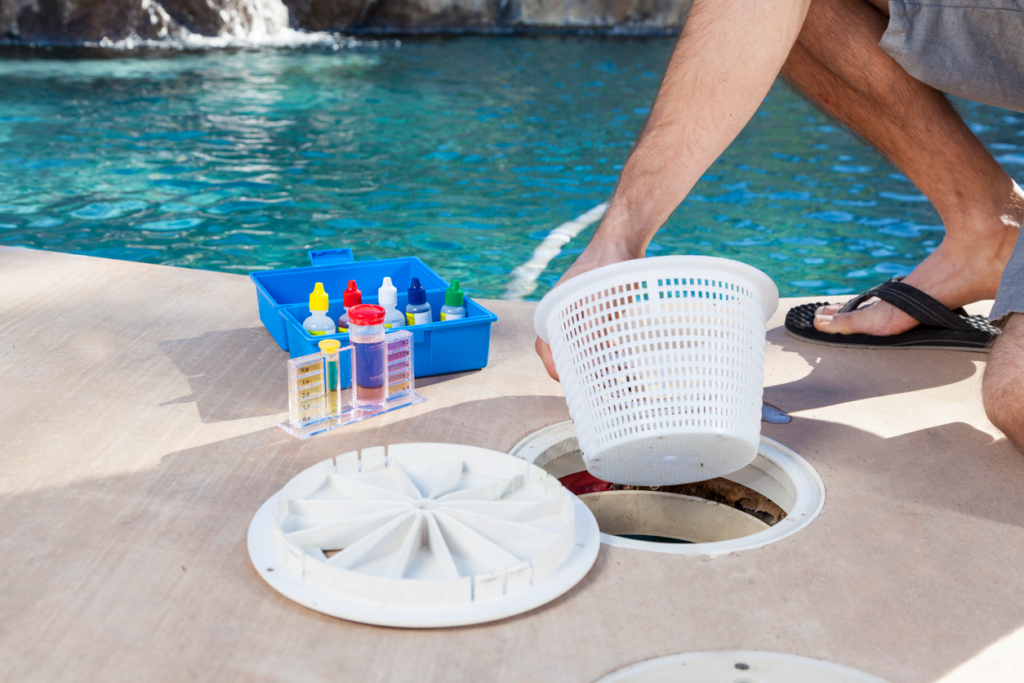
Regardless of the type of filter you have, it’s crucial to run your filtration system daily, for 8-12 hours, to ensure proper water circulation and cleanliness. Don’t forget to clean your pool pump’s strainer basket at least once a week, as clogged baskets reduce efficiency and strain the pump motor.

4. Shock Treatment: Reviving Your Pool’s Water
Even with regular cleaning and proper chemical balance, your pool water can become dull or cloudy, especially after heavy use, rainstorms, or high temperatures. This is where shock treatment comes in. Pool shock is a concentrated dose of chlorine that helps break down organic contaminants, such as sweat, oils, and bacteria, that regular chlorine levels can’t handle.
It’s a good practice to shock your pool every two weeks, or more often if needed, particularly after a pool party or a period of intense sun exposure. Be sure to follow the manufacturer’s instructions and wait at least 8-12 hours before swimming after shocking the pool.

5. Maintaining Water Levels
Pool water levels fluctuate due to evaporation, splashing, and even backwashing. Keeping the water at the right level is essential for the pool’s filtration system to work efficiently. If the water level drops too low, the pump may run dry, leading to serious damage. If it’s too high, the skimmer won’t function properly.
Check your water level weekly and adjust as needed. If you live in an area with frequent rain or a hot climate, this should be part of your regular pool maintenance routine. In cases of excessive rainfall, you may need to drain some water from the pool to bring it back to the correct level.
6. Winterizing Your Pool: Seasonal Care
If you live in a region where the temperature drops significantly during winter, properly winterizing your pool is crucial. Failure to do so can result in costly damage to your pool and equipment due to freezing water. Start by thoroughly cleaning the pool and balancing the chemicals. Lower the water level below the skimmer, and blow out the water from the plumbing lines to prevent freezing. Finally, cover the pool with a durable winter cover to protect it from debris and cold weather.
7. Pool Equipment Maintenance
Don’t forget to maintain the pool equipment itself. Regularly check your pump, heater, and other components for wear and tear. Cleaning the pump’s motor vents, lubricating the o-rings, and ensuring that your pool heater is free of debris will help extend the life of your equipment. Scheduling annual professional maintenance for your pool’s equipment is also a smart move to ensure everything is running smoothly.
Conclusion
Maintaining a pool may seem like a lot of work, but with a regular routine and the right tools, it becomes manageable and ensures that your pool stays clean and healthy all season long. By investing time in skimming, scrubbing, balancing chemicals, and maintaining the filtration system, you’ll enjoy crystal-clear water and a pool that’s ready for fun at any time.