
Introduction
Maintaining a clean and safe swimming pool requires regular upkeep, and one of the most essential tools for this task is a pool vacuum. A pool vacuum helps remove dirt, debris, and contaminants from the pool floor and walls, ensuring crystal-clear water and a healthy swimming environment. In this guide, we’ll explore the different types of pool vacuums, their features, and benefits, as well as provide tips on how to choose the right one for your pool.

Types of Pool Vacuums
There are several types of pool vacuums available, each with its unique characteristics and advantages.
- Manual Pool Vacuums: Affordable and easy to use, but require manual effort.
- Automatic Pool Vacuums: Efficient and convenient, but require periodic emptying.
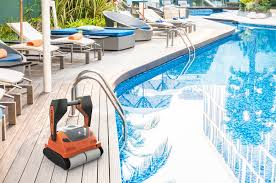
- Robotic Pool Vacuums: Advanced navigation systems and energy-efficient design.
- Suction-Side Pool Vacuums: Effective cleaning, but may require additional equipment.
- Pressure-Side Pool Vacuums: Powerful performance, but may require more maintenance.
Benefits of Pool Vacuums
Pool vacuums offer numerous benefits, including:
- Improved Water Clarity and Quality
- Reduced Chemical Usage
- Increased Pool Safety
- Extended Pool Equipment Lifespan
- Enhanced Swimming Experience
Choosing the Right Pool Vacuum
When selecting a pool vacuum, consider factors such as:
- Pool Size and Shape
- Debris Type and Amount
- Vacuum Type and Features
- Energy Efficiency and Cost
- Maintenance Requirements
Tips for Effective Pool Vacuuming
For optimal results, follow these tips:
- Vacuum Regularly: Ideally weekly
- Overlap Vacuum Paths: For thorough coverage
- Adjust Vacuum Speed and Suction: As needed
- Clean the Vacuum Filter: Regularly
- Inspect and Maintain the Vacuum: Regularly
Pool Vacuum Maintenance
Regular maintenance is crucial for optimal performance.
- Clean the Vacuum Filter: After each use
- Check and Replace Wearable Parts: Regularly
- Store the Vacuum Properly: After each use
- Perform Regular Software Updates: For robotic vacuums
Troubleshooting Common Issues
Common issues and solutions:
- Clogged Vacuum Filter: Clean or replace the filter
- Vacuum Not Moving: Check for blockages or damage
- Vacuum Not Suctioning: Check suction settings or damage
Conclusion
A pool vacuum is an indispensable tool for maintaining a clean and safe swimming pool. By understanding the different types of pool vacuums, their benefits, and how to choose the right one, you’ll be well on your way to enjoying a sparkling clean pool. Remember to follow regular vacuuming tips and maintenance schedules to ensure optimal performance and extend the lifespan of your pool equipment.
Additional Tips
- Regularly inspect pool equipment
- Maintain proper water chemistry
- Avoid over-reliance on chemicals
- Consider investing in a pool cover
- Consult professionals for complex maintenance tasks.